Quick Summary
Curated beauty shops do the sorting for you, offering a smaller selection that someone has already vetted, so you spend less time comparing near-identical products. They suit busy shoppers, gift-buyers, and beginners, while mass-market retailers suit people who already know exactly which brand or product they want.
- A curated shop filters thousands of products down to a deliberately chosen selection before you start comparing.
- Count how many products you would need to compare before feeling confident; if it is more than a handful, curation helps.
- Start a skincare routine by choosing one or two concerns and introducing one new product at a time.
- Good curation publishes its selection criteria, such as ingredient transparency and defined customer need.
- Ask whether brands pay for placement, since a shortlist may be a paid listing rather than an editorial pick.
Table of Contents
- What a Curated Beauty Shop Actually Does
- Curated Beauty Shops vs. Mass-Market Retailers
- How to Choose Skincare Products Without Guessing
- How Curated Shops Select and Vet What They Sell
- Building a Skincare Routine Essentials Kit That Actually Gets Used
- Beauty Product Recommendations and Professional Skincare Sets Online
- Who Benefits Most From a Curated Shop, and Who Doesn’t
- Your Next Step: Shopping Beauty Fresh Essentials’ Curated Collection
- Frequently Asked Questions
What a Curated Beauty Shop Actually Does
Curated beauty shops do the sorting for you. Instead of thousands of products, you get a smaller, deliberately chosen selection built around a point of view about what works. Beauty Fresh Essentials, for example, offers a curated selection of beauty, wellness, and self-care products.
The curation itself is the service. Someone decides which items earn a place on the shelf, and that decision filters out the noise before you ever start comparing.
Think of it as the difference between a well-edited bookstore and a warehouse. Get more value from curated sets with guidance on using them well after you choose products. Both have books. Only one expects you to find what you need without help.
Curated Beauty Shops vs. Mass-Market Retailers
Mass-market retailers win on sheer range and often on price. Curated shops win on fit. The difference is not just shelf size, it is where the work of choosing happens. At a mass-market retailer, the filtering is left to you.
Here is the practical split:
| Factor | Curated Beauty Shop | Mass-Market Retailer |
|---|---|---|
| Selection size | Smaller, edited | Very large |
| Decision effort | Lower, shortlist is pre-filtered | Higher, you compare near-identical options |
| Product vetting | Done before you shop | Left to you |
| Guidance | Staff or content explains why each item is included | Information is often brand-supplied |
| Price range | Usually mid-to-premium | Wide, from budget to prestige |
| Best for | Busy shoppers, gift-buyers, beginners | Bargain hunters, brand loyalists, rare-brand hunters |
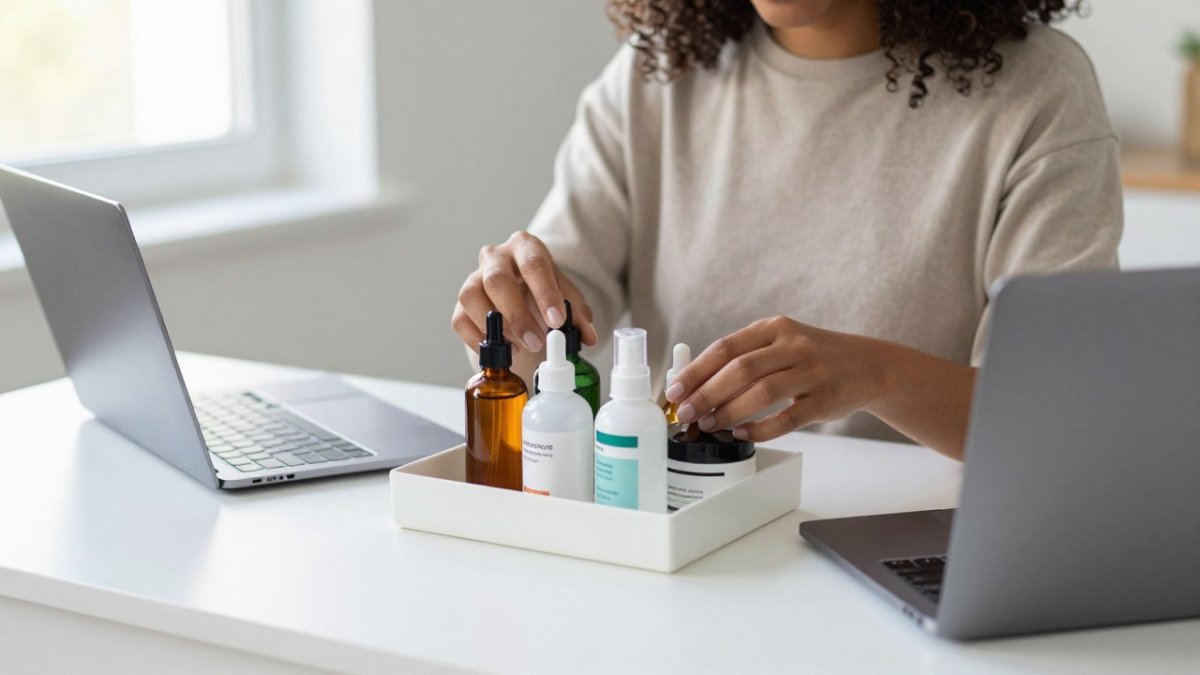
The mechanism behind the difference is simple. A mass-market retailer is optimized for breadth: more brands, more SKUs, more promotions. That breadth is genuinely useful when you already know what you want.
The trade-offs run both ways. Mass-market retailers can be faster on new releases and promotions, but the burden of reading labels, checking ingredient lists, and comparing formulations falls on you. Neither model is universally better, the question is how much sorting you want to do yourself.
Audience matters here. Beginners and gift-buyers usually benefit most from curation because they lack a mental shortlist and can waste money on mismatched products. Budget-conscious buyers may find mass-market promotions cheaper per item, but the total cost can rise if they buy several near-duplicates trying to find one that works. Experienced beauty consumers who already know their brands and shades often prefer the breadth of a mass-market retailer.
If you already know exactly which brand you want, a mass-market site may be faster. A useful rule of thumb: count how many products you would need to compare before feeling confident. If the answer is more than a handful, curation is doing real work for you.
How to Choose Skincare Products Without Guessing
Start with your skin type and your main goal. Learn how to build a skincare regimen that actually works for your needs. Choose one or two concerns, such as dryness or dullness, rather than trying to fix everything at once.
Work through a short checklist:
- Note your skin type: dry, oily, combination, or sensitive
- Pick one primary goal for the next month
- Check the ingredient list for anything you already react to
- Introduce one new product at a time so you can spot irritation
Reading labels helps, but knowing how to read them is the harder part. A curated shop that explains why each product is included makes this step much easier.
How Curated Shops Select and Vet What They Sell
Curation is a process, not a vibe. Good shops set clear criteria before a product is considered, then review the shortlist against those criteria. The criteria themselves are the useful part, because they let you tell real curation from a marketing label.
Common selection criteria include:
- Ingredient transparency, the full ingredient list is published, and the shop can explain what the key actives are for.
- Formulation consistency, the product does what its category promises, with a stable formula and clear usage instructions.
- Defined customer need, each item earns its place by solving a specific problem (barrier repair, gentle exfoliation, sun protection) rather than duplicating a neighbor on the shelf.
- Inclusivity, shade ranges, skin-type coverage, and fragrance-free options are considered, not treated as an afterthought.
- Brand transparency, the brand is willing to answer basic questions about sourcing, testing, and claims.
A shop that publishes these criteria, even in summary form, is giving you something to check. A shop that says only that its products are ‘hand-picked’ or ‘the best’ is asking you to trust the label without evidence.
Watch out: a shortlist can still be a paid placement list. If every product in a category comes from one parent company or every ‘editor’s pick’ links to a sponsored page, the curation may be commercial rather than editorial. Ask whether brands pay for placement.
Evidence matters too. A good curated shop will tell you how it evaluates products, whether through staff testing, ingredient review, or customer feedback, and will be honest about the limits of that evaluation. No shop can guarantee a product will suit your skin; what it can do is explain why the item was chosen and what it is intended to do.
Ask any shop how it vets products. A clear answer is a good sign. A vague one is worth noting. The same applies to online curation: recommendation quizzes and virtual consultations are only as good as the criteria behind them, so check whether the shop explains how its recommendations are generated and how customer data is used.
Building a Skincare Routine Essentials Kit That Actually Gets Used
Most unused products share one problem: they were bought without a plan. A short kit with three to five items you will really use beats a cabinet of half-finished bottles.
Build your kit around a simple sequence: cleanse, treat, moisturize, and protect. Follow this step-by-step guide to a simple skincare routine before deciding what goes in your kit. Add one optional item only after the basics feel routine. Keep sizes practical, especially if you travel.
Beauty Product Recommendations and Professional Skincare Sets Online
Pre-selected sets can simplify buying, especially if you are new to a routine. See a beginner guide to curated sets that matches this advice. They also reduce the risk of mismatched products.
Before you buy a set online, check three things: whether every item suits your skin type, whether the sizes fit your use, and whether the return terms are clear.
Price, Returns, and Total Cost
Pricing depends on the items chosen, quantities, and delivery options. For current prices and return terms, check the Beauty Fresh Essentials website directly before ordering. Factor in shipping and the cost of any product you might not finish, not just the sticker price.
Who Benefits Most From a Curated Shop, and Who Doesn’t
Curated shops suit people who want guidance and fewer decisions. Busy professionals and first-time buyers often benefit most.
They suit less well people who enjoy hunting for rare brands or who already know exactly what they buy. Those shoppers may find a broad retailer more useful.
Your Next Step: Shopping Beauty Fresh Essentials’ Curated Collection
If you want a shorter list and less guesswork, explore the Beauty Fresh Essentials collection and build a routine that fits your skin.
Frequently Asked Questions
What is a curated beauty shop?
A curated beauty shop is a retailer that selects a limited set of products rather than stocking everything available. The selection is made by people who review ingredients, brand practices and how products perform for different skin types. The main benefit is less time spent comparing options. The trade-off is a narrower range, so shoppers who want every brand on the market may still need other sources.
How do I know these products are high quality if I haven’t heard of the brands?
Ask the shop how it vets brands before listing them. Look for clear product information, ingredient lists and a stated standard for what gets included. Brand familiarity is a weak signal on its own, since many well-made products come from smaller labels. Check whether the shop explains its selection criteria and whether customer reviews describe results consistently.
What should I check before buying skincare products online?
Check the ingredient list against any known sensitivities, confirm the product suits your skin type, and read the return policy before ordering. Look up whether the brand tests on animals if that matters to you, and check whether the product comes in a travel size if you plan to carry it. Starting with one or two products rather than a full routine makes it easier to spot a reaction. Pricing depends on quantity, dates and delivery, so check current prices on the shop’s website before you decide.
Are curated beauty shops more expensive than larger retailers?
Not always, and the answer depends on what you compare. Curated shops may list fewer discounted items than large retailers, but they can reduce spending on products that go unused. Total cost includes returns, duplicate purchases and time spent researching. Compare the same product at the same size across retailers, and factor in shipping and return costs. Beauty Fresh Essentials does not publish fixed price figures in this article, so check its website for current pricing and delivery terms.

0 Comments