
Quick Summary
The best everyday skincare for dry skin is a short routine that repairs and protects the skin barrier rather than just adding temporary moisture. Start with a gentle non-foaming cleanser and a moisturizer with ceramides and humectants, applied to damp skin. Consistency over several weeks matters more than a crowded shelf of products.
- A 2026 study found simple regimens of about three steps were commonly favored for dry skin.
- Non-foaming cleansers avoid stripping lipids, so skin does not feel tight after washing.
- Apply humectant-based products to damp skin so they can pull water in.
- Introduce one new product at a time and give it about four weeks.
- A humidifier in winter is one of the cheapest barrier supports available.
Table of Contents
- Why Everyday Skincare for Dry Skin Needs Barrier Support
- Quick Comparison: Seven Everyday Picks for Dry Skin
- Gentle Cleansers That Don’t Strip Dry Skin
- Moisturizers and Balms Ranked by Use Case
- How to Layer Skincare for Dry Skin
- A Dermatologist-Recommended Routine for Dry, Sensitive Skin
- Building a Budget-Friendly Routine and Picking Your First Products
- Frequently Asked Questions
Why Everyday Skincare for Dry Skin Needs Barrier Support
Last Updated: November 19, 2026
Dry skin is usually a sign that the outer layer has lost its ability to hold water. Choosing the best everyday skincare for dry skin means looking for products that repair and protect that barrier, not just add temporary moisture. A simple routine that supports the barrier can do more for dry skin than a crowded shelf of unrelated products.
A 2026 study of dermatologists’ perspectives on skincare routine trends found that simple regimens of about three steps were commonly favored for people with dry skin Dermatologists’ Perspectives on Skincare Routine Trends. Fewer steps mean fewer chances to irritate skin that is already tight, flaky or reactive.
A consistent regimen built on a mild cleanser and a glycerin-rich moisturizer has also been studied. Researchers reporting in the Journal of Cosmetic Dermatology described this approach as producing both objective and subjective improvements in dry skin Consistent skin care regimen study for dry skin. Consistency, in other words, matters as much as the individual products.
Most dry-skin routines fail for a predictable reason: they strip the skin, then try to replace what was lost. A gentle cleanser that leaves the skin feeling tight is removing the lipids the barrier needs. The practical goal is to clean without stripping, then seal in water with ingredients such as ceramides, humectants and occlusives.
A useful way to judge any product is by three questions. Does it clean without a tight feeling? Does it contain barrier-supporting ingredients? Will you actually use it twice a day?
Quick Comparison: Seven Everyday Picks for Dry Skin
Quick Picks:
- Best Gentle Cleanser: CeraVe Hydrating Cleanser, for dry skin that feels tight after washing
- Best Budget Moisturizer: Vanicream Daily Facial Moisturizer, for sensitive, dry skin on a simple routine
- Best Barrier Balm: La Roche-Posay Cicaplast Balm B5, for cracked or irritated patches
| Product | Type | Starting Price | Best For |
|---|---|---|---|
| CeraVe Hydrating Cleanser | Cleanser | $12.00 | Daily cleansing without tightness |
| Eucerin Intensive Repair Lotion | Lotion | $11.00 | Rough, flaky skin |
| Vanicream Daily Facial Moisturizer | Moisturizer | $15.00 – $19.00 | Highly sensitive skin |
| CeraVe Moisturizing Cream | Cream | $17.00 | Dry to very dry skin |
| La Roche-Posay Cicaplast Balm B5 | Balm | $16.00 | Cracked, irritated patches |
| Clinique Moisture Surge 100-Hour Hydrator | Gel-cream | $31.00 | Lightweight, lasting hydration |
| Eucerin Fragrance Free Eczema Relief Cream | Cream | $12.00 | Itchy, eczema-prone skin |
Starting Price
Prices reflect the figures in our research at the time of writing and may have changed. Check the manufacturer’s site for current pricing.
Gentle Cleansers That Don’t Strip Dry Skin
The cleanser is the step most likely to make dry skin worse, so start here. Pick a non-foaming formula that removes dirt and oil without leaving the face squeaky clean.
A gentle, non-foaming cleanser with ceramides and hyaluronic acid can suit daily use. Heavy makeup may need a dedicated remover.
Watch out: a foaming cleanser can feel clean and still leave dry skin tighter by the afternoon. If your face feels taut right after washing, switch to a cream or milk-style formula.
Moisturizers and Balms Ranked by Use Case
Not every dry-skin problem needs the same product. Match the texture and the ingredient profile to the skin you actually have, because a balm that rescues cracked cheeks will feel suffocating on an oily T-zone, and a lightweight gel that suits a humid summer will disappear by midwinter.
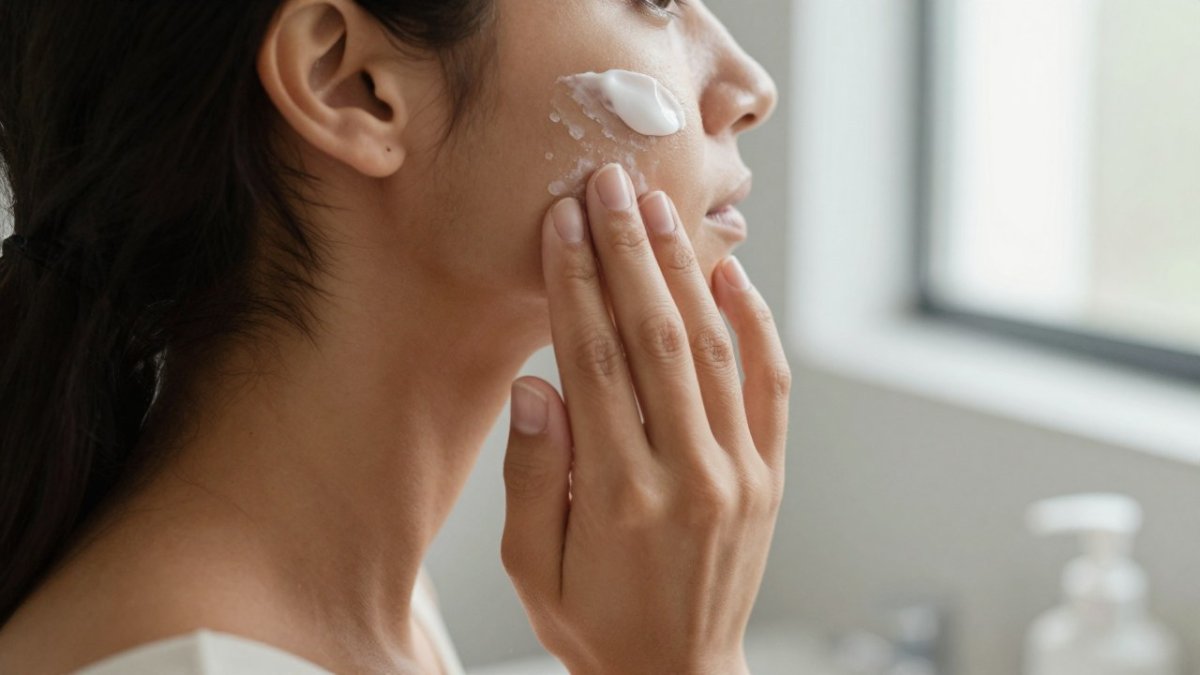
How to read a dry-skin moisturizer. Three ingredient families do the work. Humectants (glycerin, hyaluronic acid, urea, panthenol) attract and hold water. Emollients (squalane, jojoba, shea butter, fatty alcohols) soften and smooth the surface. Occlusives (petrolatum, dimethicone, beeswax) form a film that slows water loss. Ceramides are the barrier’s own lipids, and a formula that includes them alongside cholesterol and fatty acids is closer to replacing what dry skin is missing. A product that lists only one family is usually a partial solution.
The makeup interaction to watch. Flaking skin can grab pigment unevenly, and pilling can happen when a water-based foundation meets a silicone-heavy primer or a thick occlusive balm. The practical fix is to let each layer settle: apply moisturizer, wait a minute or two, then apply a hydrating primer or a small amount of the same moisturizer mixed into the foundation. Avoid heavy balms directly under makeup, and choose a dewy or satin foundation over a matte formula, which emphasizes flakes. If pilling still occurs, the culprit is usually too many silicone layers, not the moisturizer itself.
Watch out: a rich night balm applied right before a morning makeup routine can cause foundation to slide or pill. If you wear makeup daily, keep the heavy occlusive for evenings and use a lighter ceramide cream in the morning.
Prices reflect the figures in our research at the time of writing and may have changed. Check the manufacturer’s site for current pricing.
How to Layer Skincare for Dry Skin
Layering order matters because each product works best on skin that is still slightly damp from the step before. Apply from the thinnest texture to the thickest.
- Cleanser. Use lukewarm water, not hot, and pat dry rather than rubbing.
- Water-based serum or essence. Apply to damp skin so humectants can pull water in.
- Moisturizer or lotion. Seal in the hydration you have added.
- Balm or occlusive, if needed. Use this last, on the driest areas only.
Keep the list short. Layering five or six actives onto dry skin is a common route to irritation.
A Dermatologist-Recommended Routine for Dry, Sensitive Skin
A simple routine is easier to stick with, and the 2026 study mentioned earlier supports keeping it to about three steps. But the difference between a routine that merely feels nice and one that actually rebuilds a dry barrier comes down to what each step is doing mechanically, and to factors outside the bathroom cabinet. Here is a practical version that accounts for both.
Morning
- Gentle, non-foaming cleanser or a splash of lukewarm water. If your skin does not feel oily in the morning, water alone is enough for many people with dry skin.
- Moisturizer with ceramides and a humectant such as glycerin or hyaluronic acid, applied to skin that is still slightly damp.
- Sunscreen, applied last. Choose a cream or lotion formula rather than a gel or alcohol-based spray, since those can sting dry or cracked skin.
Evening
- Gentle cleanser, removing any makeup first with a dedicated remover rather than scrubbing.
- Moisturizer or barrier balm. This is the step where occlusives such as petrolatum, squalane or shea butter earn their place, because they slow water loss overnight when the barrier is most active in repair.
- Occlusive balm on dry patches, if needed, applied last and only where skin is actually flaky or cracked.
Why the order matters. Humectants pull water toward the skin, emollients soften and fill the gaps between skin cells, and occlusives seal the surface. A moisturizer that combines all three does more than a single-ingredient product, which is why a ceramide-plus-glycerin formula tends to outperform a plain oil. Applying anything to bone-dry skin limits how much water a humectant can hold, so damp application is not a cosmetic tip, it is the mechanism.
The lifestyle half of the routine. Most dry-skin guides stop at the bathroom door, but topical products can only hold water that is already in the skin. A few internal and environmental factors matter more than most people expect:
- Humidity. Indoor heating and air conditioning drop relative humidity, and skin loses water faster in dry air. A room humidifier in winter is one of the cheapest barrier supports available.
- Water intake. Drinking enough fluid does not instantly plump skin, but chronic underhydration shows up as dull, tight skin over time. There is no magic number, but pale urine and regular thirst are reasonable everyday signals.
- Dietary fats. Omega-3 and omega-6 fatty acids from foods such as oily fish, walnuts, flaxseed and olive oil support the lipid matrix of the skin barrier. Extreme fat restriction tends to show up as drier, rougher skin.
- Water temperature and shower length. Long, hot showers strip lipids from both face and body. Shortening showers and lowering the temperature does more for body dryness than most lotions.
- Alcohol and caffeine. Both have a mild diuretic effect, and heavy intake can leave skin looking tighter. Moderation, not elimination, is the practical takeaway.
Watch out: layering a new active, a new sunscreen and a new moisturizer in the same week makes it impossible to tell which product is helping and which is causing the sting. Introduce one product at a time and give it about four weeks.
Expect improvement to take weeks, not days. If redness, stinging or itching develops, stop the newest product and check with a dermatologist. A common error is changing too many things at once.
Building a Budget-Friendly Routine and Picking Your First Products
You do not need every product on this list. A basic set can cover the job for much less.
When picking your first products, buy one cleanser and one moisturizer, use them for four weeks, and only then add anything else. Browse our 10 Gentle Skincare Products for Daily Use to compare a curated set of gentle daily cleansers, or see how to build a simple skincare routine step by step for the full order of steps.
If you want to compare moisturizers and balms across the range, see skin moisturizer and moisturizing skincare. For more affordable options that suit a glowing routine, see 9 Affordable Skincare Products for a Glowing Routine.
Start with gentle, barrier-supporting products, keep the routine short, and be patient. The best everyday skincare for dry skin is the one you will use every day.
Frequently Asked Questions
What is the difference between dry skin and dehydrated skin?
Dry skin is a skin type: it produces less oil and lacks lipids in the barrier, so it needs ongoing emollients and occlusives. Dehydrated skin is a temporary condition caused by low water content, which can affect oily skin too. Dry skin benefits from rich creams with ceramides, while dehydrated skin responds better to humectants like hyaluronic acid and glycerin. Many people have both, so a routine that combines a humectant serum with a barrier-repair moisturizer covers both needs.
How do I layer skincare for dry skin?
Apply products from thinnest to thickest texture. Start with a gentle cleanser, then a hydrating toner or essence, then a serum with hyaluronic acid or glycerin while skin is still slightly damp. Follow with a ceramide moisturizer to seal in water. Finish with a balm or occlusive on very dry patches at night. Wait a minute or two between layers so each one absorbs, and avoid stacking several strong actives at once, which can irritate a compromised barrier.
Do I need a daily skincare routine if my skin is dry?
Yes, but the routine can be short. Dry skin loses water through the surface faster than oily skin, so a morning cleanse-free rinse or gentle wash, a moisturizer, and sunscreen keeps the barrier intact. In the evening, cleanse and apply a richer moisturizer. Over-washing and long routines with many actives are common mistakes that make dryness worse. Three to four steps used consistently usually works better than a complicated routine.
Can I build an affordable skin care routine for dry skin?
Yes. Pricing depends on size, retailer and promotions, so check current prices at Beauty Fresh Essentials or the brand’s site before buying. Focus your budget on the moisturizer, since it does the most work for dry skin, and keep the cleanser gentle and the number of products small.







0 Comments