Quick Summary
To learn how to verify skincare product quality, buy from authorized retailers, inspect packaging and seals, and check batch codes and expiry dates. Authenticity, safety, and overall quality are separate questions, so each needs its own check before the product goes on your skin.
- Buy from brand websites or retailers the brand lists as authorized sellers.
- Be cautious when a popular product’s price is far below normal retail.
- Check that packaging printing, spelling, and logos match the brand’s official packaging.
- A genuine batch code does not prove the product was stored correctly after leaving the factory.
- Stop using any product that causes burning, rash, or unusual irritation.
Table of Contents
- Why Verifying Skincare Quality Matters Before You Buy
- Step 1: Buy From Authorized Retailers and Trusted Sellers
- Step 2: Inspect Packaging, Labels and Seals
- Step 3: Check Batch, Lot and Expiry Codes
- How to Spot Fake Beauty Products: Common Warning Signs
- Step 4: Use a Product Ingredient Checker Free Tool, and Know Its Limits
- Using a Skincare Authenticity Check Online, and What It Cannot Confirm
- Shopping Verified Skincare With Beauty Fresh Essentials
- Frequently Asked Questions
Why Verifying Skincare Quality Matters Before You Buy
Last Updated: November 21, 2026
Skincare products go on your face every day, so knowing how to verify skincare product quality, including whether a product is genuine and safe, matters.
Quality and authenticity are not the same thing. A product can be genuine but expired, or it can look right and still be counterfeit. This guide walks through each check so you can judge both.
Keep those three questions separate as you read. Each step below answers one of them.
Step 1: Buy From Authorized Retailers and Trusted Sellers
Where you buy is the first and most important check. Most counterfeit skincare reaches shoppers through open marketplaces and social sellers, not brand stores.
Start with sellers you can verify:
- Brand websites and their official stores
- Retailers the brand lists as authorized sellers
- Sellers with long, consistent review histories
Be cautious when a price looks far below normal. Compare authorized options in Which Retailer Is Better for Clean Beauty: Dermstore or The Detox Market? A suspiciously low price on a popular product is a common warning sign.
Shopping at Beauty Fresh Essentials means browsing a curated selection, which makes it easier to compare product details before you buy. If you want to see what else is available, you can browse our beauty makeup tool range alongside your skincare.
Step 2: Inspect Packaging, Labels and Seals
Once a product arrives, look at the packaging closely, because part of learning how to verify skincare product quality is checking the packaging. Good packaging is often the clearest sign of a genuine item.
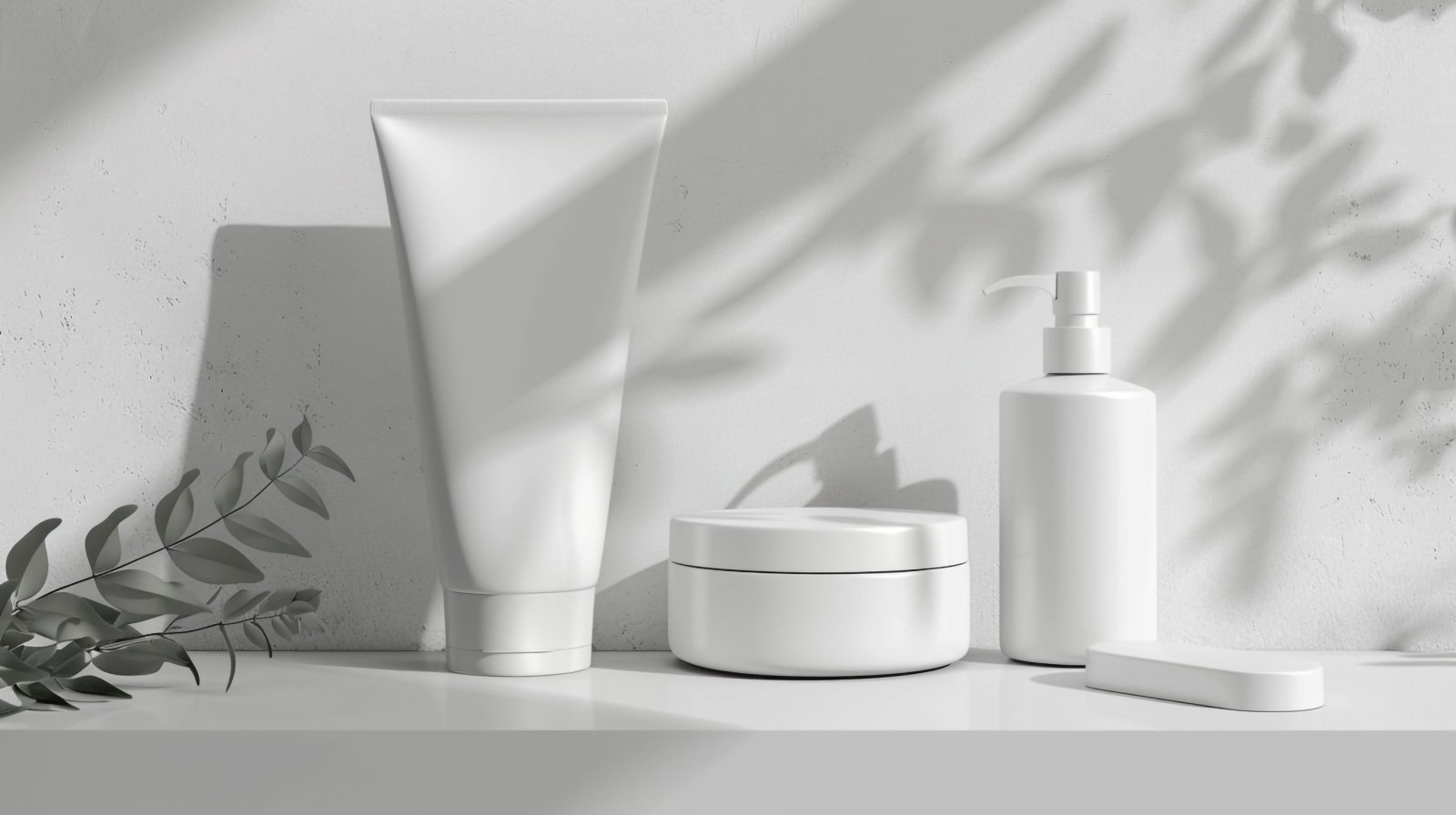
Use this checklist:
- Printing is sharp, with no blurry text or uneven colors
- Spelling and logos match the brand’s official packaging
- A tamper or safety seal is intact where the brand uses one
- The ingredient list is present and in the expected language
- Weight, size and contents match the product listing
Labels should be firmly attached and not peeling. Be wary of packaging that feels flimsy or smells unusual.
Step 3: Check Batch, Lot and Expiry Codes
Most brands print a batch or lot number and an expiry or date-of-manufacture code.
Look for:
- Batch or lot number: Usually printed on the bottom, back, or crimp of the packaging. It may be inkjet-printed, stamped, or embossed, and it is often a short alphanumeric string rather than a full date.
- Expiry date: Shown as a date (for example, a month and year) or as a Period After Opening (PAO) symbol, a small open-jar icon with a number of months inside.
- Date of manufacture: Some brands print this instead of an expiry date, especially on products with a long shelf life.
A PAO symbol tells you how long the product stays good after you open it, not how long it lasts on the shelf.
Batch codes are brand-specific. There is no universal format, and a code that looks unusual is not automatically fake.
Freshness and storage checks that batch codes cannot answer:
- Heat exposure: Repeated high temperatures (a hot car, a sunny windowsill, a warehouse without climate control) can break down actives such as vitamin C, retinol, and some preservatives. A product that has been heat-stressed may change color, smell, or texture before its expiry date.
- Sunlight: Clear or translucent packaging offers little protection. If a product is marketed in opaque or airless packaging, that is usually a deliberate stability choice, not a marketing quirk.
- Water activity: Water-based products (toners, serums, creams) are more vulnerable to microbial growth than anhydrous ones (balms, oils, powder cleansers). Once opened, they depend on preservatives and clean handling.
- Contamination signs: Discoloration, separation, a changed smell, a gritty or grainy texture, or visible mold are reasons to stop using the product regardless of its batch code.
A product can pass every authenticity check and still fail a quality check.
The table below summarises the main checks covered in this step, so you can scan what each code or symbol tells you and what it cannot.
| Check | What it tells you | What it cannot tell you |
|---|---|---|
| Batch or lot number | Origin and production run | Storage history after leaving the factory |
| Expiry date | Date printed on the shelf life | Whether heat or light has degraded the product |
| PAO symbol | Months the product lasts after opening | Shelf life before opening |
| Date of manufacture | Age of the product | Whether it was stored correctly |
| Heat exposure | Can break down actives like vitamin C and retinol | Visible signs before expiry |
| Water-based products | More vulnerable to microbial growth | Safety without preservatives and clean handling |
| Batch code format | Brand-specific; unusual codes are not automatically fake | Authenticity on its own; contact the brand to confirm |
How to Spot Fake Beauty Products: Common Warning Signs
Counterfeit skincare often gives itself away through small details. Watch for these warning signs:
- Packaging that looks slightly off in color, font or spacing
- Missing or misspelled text on the label
- A texture, color or scent that differs from what you expect
- Pumps or caps that do not fit or feel cheap
- A price far below normal retail
Trust your senses, but do not rely on them alone. Fakes can look convincing. Combine what you see with the seller and code checks above.
If a product causes burning, rash or unusual irritation, stop using it. Learn how to return online beauty products step by step. Report suspected counterfeits to the brand and, where relevant, to the consumer protection authority in your country.
Step 4: Use a Product Ingredient Checker Free Tool, and Know Its Limits
A free ingredient checker can help you understand what is in a product and how it has been rated. It can show you whether an ingredient is commonly flagged. EWG’s Skin Deep database, for example, rates products using factors drawn from nearly 60 toxicity, regulatory and study-availability databases (EWG Skin Deep Cosmetics Database).
Use the tool for research, not as a final verdict. The sources do not show that a database score alone verifies safety or quality. EWG staff review product type, use, composition, target demographic and claims. The U.S.
Read the full ingredient list yourself, and check it against the product’s stated claims.
Using a Skincare Authenticity Check Online, and What It Cannot Confirm
Online authenticity checkers, ingredient databases, and AI photo tools can each flag a concern, but none of them can conclusively authenticate a product or establish that it is safe.
What different tools can and cannot do:
- Brand QR codes and authentication features: A QR code or scratch-off code that resolves to the brand’s own verification page can confirm that the code is registered. It cannot confirm that the physical product in your hand is the one that code was printed for, and counterfeiters have copied QR codes that point to lookalike pages. Check that the domain in the address bar matches the brand’s official site before you enter any information.
- Ingredient checkers and databases: Tools such as EWG’s Skin Deep rate ingredients and products using toxicity, regulatory, and study-availability data. They are useful for research and for comparing formulations, but a database score is not a safety verdict, and it does not authenticate a product. The sources do not show that a database score alone verifies safety or quality.
- AI photo and label scanners: These tools compare an image against reference data. They can catch obvious mismatches in fonts, logos, or label layout, but they see only the information you give them and cannot inspect the product itself, its storage history, or its contents.
- Seller and marketplace checks: Review history, return policy, and contact details are useful signals, but reviews can be gamed and a polished storefront is not proof of authorization.
Read the full ingredient list yourself and check it against the product’s stated claims. The U.S.
Regulatory status varies by market. There is no single global database that confirms a skincare product is lawfully sold everywhere.
When a product seems suspicious, work through these steps in order:
- Stop using it. If you notice irritation, burning, a rash, or an unusual change in color, smell, or texture, discontinue use immediately.
- Document everything. Photograph the product, packaging, batch code, receipt, and the seller’s listing before you return or discard anything.
- Contact the seller first. Ask for the batch-code confirmation and the authorization status in writing.
- Contact the brand. Brands can confirm whether a batch code is genuine and whether a seller is authorized.
- Report the concern. In the U.S., the FDA accepts reports of problems with cosmetics; in other markets, the relevant consumer protection or medicines-and-cosmetics authority is the right channel. Report suspected counterfeits to the brand as well.
- Keep your receipt and order history. They are what you need if you pursue a return, a chargeback, or a report.
A tool that says a product looks fine does not replace the seller, packaging, code, and brand checks above. Use online checks as one input in a longer verification workflow, not as the final word.
Shopping Verified Skincare With Beauty Fresh Essentials
Verifying skincare takes a few minutes, and the steps stay the same for every product. Buy from trusted sellers, inspect the packaging, check the codes, and use ingredient tools with clear limits in mind.
Beauty Fresh Essentials offers a curated range of skincare and beauty tools, so you can shop with more confidence from the start. If you are planning a larger purchase, our professional skincare sets guide explains what to look for.
Frequently Asked Questions
How can you tell if a skincare product is authentic?
Start with the source. Buy from the brand’s website, an authorized retailer or a seller with a long, verifiable record. Then compare the packaging with official images from the brand: check print quality, spelling, logo placement, seals and closures. Look for a batch or lot number and an expiry date or period-after-opening symbol. Genuine products usually have consistent, well-finished labels. Mismatched fonts, blurry printing or missing batch codes are warning signs. None of these checks alone proves authenticity, so combine several of them and contact the brand if something still looks wrong.
Are online skincare authenticity checkers reliable?
They can help, but they are not conclusive. Authenticity checkers often rely on photos, seller reviews or user-submitted information, and they cannot physically test a product. Some brands offer QR codes or NFC chips that you can scan to confirm details with the manufacturer, which is a stronger check than a generic tool. Use online checkers as one input among several, and treat any result as a prompt to look further rather than a final verdict on quality or safety.
What should you do if you suspect a skincare product is fake?
Stop using it, especially if it is on your face or near your eyes. Keep the packaging, receipt and any order messages. Contact the brand using the details on its official website, not the seller’s, and ask them to confirm the batch number. If the product caused irritation or another reaction, consult a doctor or pharmacist. You can also report suspected counterfeits to the brand and to the consumer protection or product safety authority in your country. Ask the seller for a refund if you bought the item from them.
How can you check a skincare product’s ingredients?
Read the ingredient list on the packaging or product page. Ingredients are listed in descending order of concentration, with most products listing water or a main base first. Compare the list with the brand’s official description for consistency. A free product ingredient checker can help you look up individual ingredients and their known sensitivities, but it cannot confirm that the product inside the bottle matches the label. If you have sensitive skin, patch test a small area before regular use.


0 Comments